
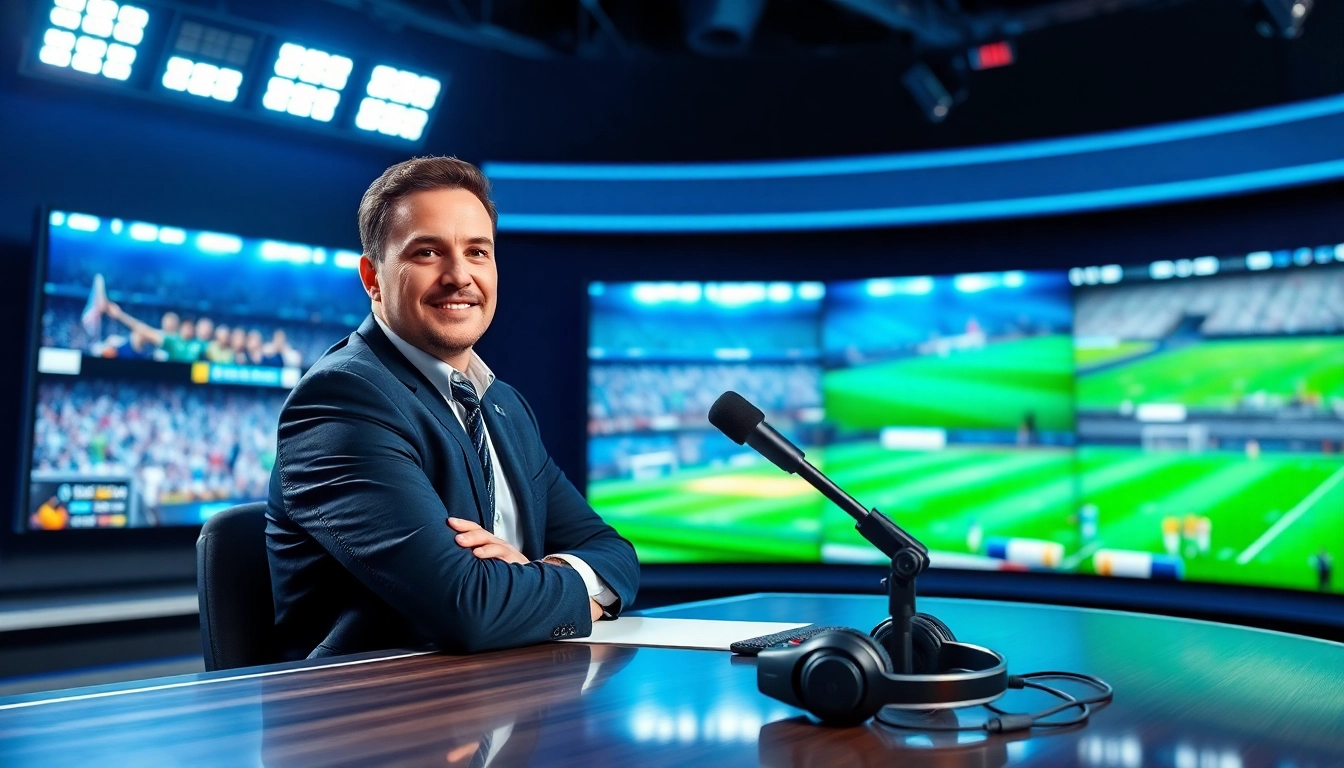
The Evolution of Sports Broadcasting
History of Sports Broadcasting
Sports broadcasting has evolved dramatically since its inception. It began in the early 20th century with radio broadcasts of major sporting events, allowing fans to follow games from their homes. The first live televised sporting event was a college baseball game in the late 1930s. As technology advanced, more sports found their way onto television. By the 1960s, the presence of sports on the airwaves became ingrained in popular culture, attracting millions of viewers and establishing a lucrative industry. Fast forward to today, and the landscape of sports broadcasting includes digital streaming and social media platforms, providing more access to audiences globally. It’s at the intersection of technology and entertainment that the significance of Sports Broadcasting lies.
Technological Advancements
The technological evolution behind sports broadcasting is nothing short of revolutionary. The introduction of cable television expanded broadcasting capabilities, allowing multiple channels dedicated to sports. The digital age brought forth innovations such as HD broadcasting, DVR technology, and mobile streaming applications, enabling fans to watch games on their terms. Enhanced graphics and instant replays have enriched viewer experiences, allowing audiences to appreciate the nuances of the game closely. Today, advancements like virtual reality and augmented reality are taking sports broadcasting into new dimensions, creating immersive experiences for viewers.
Impact on Audience Engagement
These advancements have significantly transformed audience engagement. Not only can viewers watch live events, but they can also interact with content across platforms. The introduction of multi-camera views and personalized content delivery through data analytics has allowed broadcasters to cater to varying audience preferences. Fans can engage through commentary, share opinions on social media, and partake in live polls during events. As a result, sports broadcasting has become a two-way street, fostering community and connecting fans more deeply.
Content Delivery Techniques
Content delivery is crucial in sports broadcasting, as it influences how well the audience connects with the event. Techniques such as play-by-play commentary and color commentary keep audiences informed and entertained. Strategic segmenting of broadcasts, like previewing key matchups or featuring player interviews, enhances the storytelling arc and builds anticipation. Broadcasters must also be adept at timing; knowing when to seamlessly transition between segments can keep the audience hooked throughout the event.
Visual and Audio Quality
The quality of visuals and audio directly impacts viewer retention. High-definition video, complemented by clear, engaging commentary, forms a professional presentation. Today’s viewers expect nothing less than crisp imagery, seamless transitions, and state-of-the-art audio. Broadcasters must invest in quality production equipment and training for their teams to ensure the viewer experience is consistent and elevated, cultivating viewer loyalty.
Effective Storytelling
Effective storytelling in sports broadcasting involves weaving narratives that resonate with audiences. Commentators should not only report the facts but also engage the audience with backstories, stats, and human-interest angles. For example, chronicling a player’s journey or emphasizing a team’s historical significance can deepen connections. Utilizing visuals like pre-game analysis, highlight reels, and character-driven interviews can enhance the storytelling experience and captivate viewers, allowing them to invest emotionally in the event.
Understanding the Audience in Sports Broadcasting
Demographics and Preferences
Understanding audience demographics and preferences is paramount for successful sports broadcasting. Viewership spans various age groups, cultural backgrounds, and interests. By employing data analytics, broadcasters can identify target audiences and tailor content to meet their needs. Furthermore, recognizing sports popularity in different regions influences programming decisions, determining which events to prioritize and publicize effectively.
Viewer Engagement Strategies
Engaging viewers goes beyond the broadcast itself. Creating engaging chat forums, interactive quizzes, and social media engagement during games encourages participation and keeps the demographic conversations alive. Broadcasters can implement social media campaigns utilizing hashtags that resonate with fans, spurring dialogue and community building. Developing mobile applications that offer real-time updates, stats, and game highlights enriches the viewer experience, promoting regular consumption of content.
Feedback Loops and Adaptation
Incorporating feedback loops in sports broadcasting allows for ongoing improvement and adaptation. Viewer surveys, social media interactions, and audience analytics provide insight into audience satisfaction and preferences. By analyzing this data, broadcasters can make informed decisions and adjust their strategies or content offerings to better connect with their target audience. Taking agile approaches in response to feedback ultimately leads to greater viewer loyalty and satisfaction.
Best Practices for Sports Broadcasting
Leveraging Social Media
Social media serves as a powerful tool for sports broadcasters. Platforms such as Twitter, Instagram, and Facebook offer versatile options for promotion and engagement. Sharing live highlights, behind-the-scenes content, and fan interactions can create buzz and draw viewers to broadcasts. Additionally, collaboration with influencers and sports personalities can expand reach and forge deeper connections with audiences, embracing the ‘second screen’ experience prevalent in modern consumption.
Interactive Live Coverage
Interactive live coverage adds a unique dimension to sports broadcasting. Encouraging viewers to participate in live chats or polls makes them feel part of the event. Companion apps can provide real-time statistics and gameplay analysis, transforming casual viewing into an interactive event. Incorporating augmented reality experiences into broadcasts allows audiences to visualize data, enhancing engagement in a meaningful way.
Building a Brand Through Broadcasting
A successful sports broadcasting strategy establishes a recognizable brand identity. This involves consistency in quality, tone, and messaging across platforms. Cultivating a unique voice, whether through a signature commentary style or a distinctive visual presentation, helps create a lasting impression. Championing community involvement and authenticity fosters trust and loyalty among viewers, establishing a brand that resonates beyond the screen.
Measuring Success in Sports Broadcasting
Key Performance Indicators
To gauge success, broadcasters must identify and monitor key performance indicators (KPIs). These may include viewership numbers, engagement rates, demographics, and social media impressions. Assessing these metrics enables broadcasters to identify trends, gauge audience satisfaction, and make strategic refinements to content delivery. Regular KPI evaluations help stay ahead of viewership demands, enhancing the overall viewing experience.
Analytics Tools
Utilizing analytics tools empowers broadcasters to collect and interpret viewer data effectively. Platforms like Google Analytics, social media analytics, and viewer engagement tools provide valuable insights into audience behaviors and preferences. By leveraging these tools, broadcasters can better understand viewer patterns, adjust content offerings, and optimize their strategies to align with audience expectations. Staying informed on analytical trends is essential for ongoing success in a competitive landscape.
Adapting Based on Metrics
Adapting based on performance metrics is critical for sustained success in sports broadcasting. Being proactive in responding to viewer feedback and analytics ensures that broadcasters remain relevant and engaging. Consistently evaluating and iterating upon programming strategies, promotional efforts, and audience engagement tactics can keep broadcasters aligned with audience needs and preferences. An agile approach means that broadcasters can pivot when necessary, maintaining a connection with audiences over time.
Frequently Asked Questions
What is sports broadcasting?
Sports broadcasting is the live transmission of sports events via television, radio, or digital platforms, allowing audiences to engage with their favorite sports and athletes.
How has technology changed sports broadcasting?
Technology has enhanced sports broadcasting through HD video, live streaming, analytics, and interactive content, offering audiences a richer viewing experience.
What are key metrics for success in sports broadcasting?
Key metrics include viewership numbers, audience engagement rates, demographic insights, and social media interactions that inform programming and marketing strategies.
How can I engage with my audience during broadcasts?
Engagement can be fostered through live chats, polls, social media activities, and interactive elements such as companion apps that provide real-time information and features.
Why is storytelling important in sports broadcasting?
Storytelling enhances viewer connection by presenting narratives that resonate emotionally with audiences, making the broadcast more engaging and memorable.